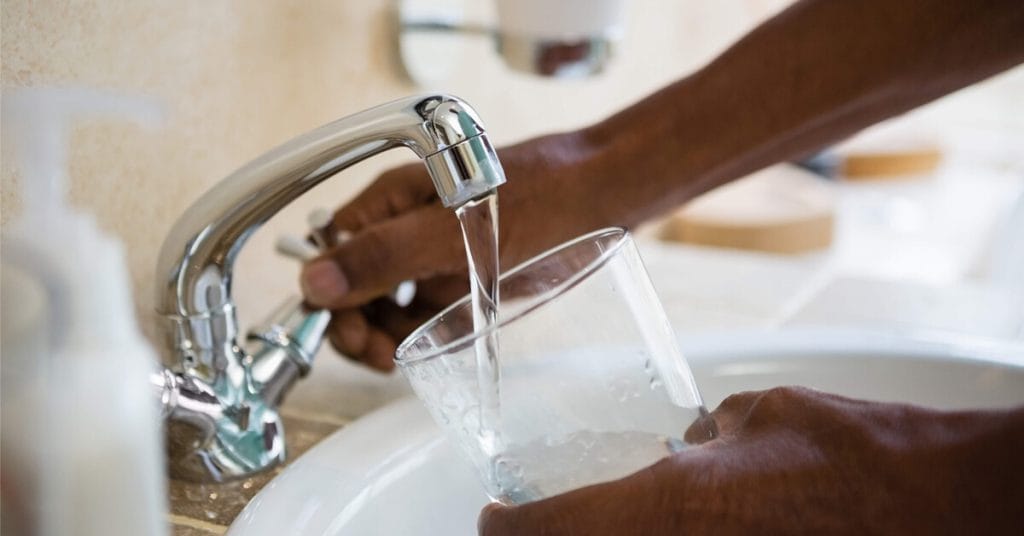
One of the first things anyone tells a new arrival in Bali: Do not drink the tap water (if available, which is not everywhere..). It is delivered as a given — the kind of warning that gets passed on automatically, without much explanation of what is actually in it, or why.
The reality behind that warning is worth understanding properly — both for personal health decisions and for anyone running a business where water quality is part of the product.
What is actually in Bali’s tap water?
Bali’s municipal water supply draws from rivers and groundwater sources under increasing pressure from agricultural runoff, rapid urbanisation, and infrastructure that has not kept pace with the island’s development. Water is treated — chlorinated in most cases — before entering the distribution network. But treatment does not begin from a clean baseline, and the distribution network itself introduces additional problems.
- Bacterial contamination — E. coli and coliform bacteria have been detected in tap water samples across multiple districts. This is the most immediately dangerous issue and the most common cause of gastric illness that affects visitors and new residents in their first weeks on the island.
- Heavy metals — ageing pipe infrastructure introduces lead, copper, and other metals through corrosion. These have no taste or smell. They accumulate in the body over time.
- Agricultural runoff — nitrates, pesticides, and fertiliser compounds from Bali’s agricultural land enter groundwater, particularly in inland and upland areas. Nitrate contamination poses specific risks for infant health.
- Chlorination byproducts — chlorine used to disinfect municipal water reacts with organic matter to form trihalomethanes (THMs) and other disinfection byproducts — compounds associated with long-term health risks at sustained exposure levels.
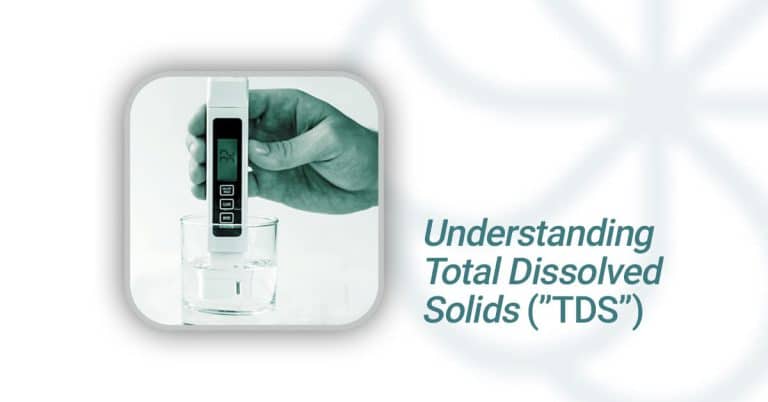
- High TDS — Bali tap water routinely tests at 500–1,000 PPM. The WHO palatability guideline puts the upper acceptable limit at 600 PPM. Much of Bali’s supply exceeds this.
Why bottled water is not a long-term answer
The default response for most expats and informed residents is bottled water. It removes the immediate health risk and is available everywhere. But it carries significant costs that compound over time.
Financial cost. A typical household consuming 8–10 litres per day spends $500–$1,000 USD annually on single use bottled “quality” water. A resort or F&B operation can spend multiples of that.
Environmental cost. Indonesia is one of the world’s largest contributors to plastic pollution. The single-use water bottle is a major driver. Bali’s beaches and waterways reflect the visible scale of this dependency — a reality that sits awkwardly alongside the island’s sustainability positioning.
Quality variability. Bottled water brands in Indonesia vary considerably in quality control. Storage conditions — containers sitting in direct sun, in hot shipping containers — affect what is in the bottle by the time it is consumed.
Bottled water solves the most immediate problem while perpetuating a larger one — at roughly $500–$1,000 USD per household per year, indefinitely.
What about gallon refill stations?
The blue gallon refill stations common across Bali offer cheaper water than bottled, and quality is generally better than tap. But equipment maintenance varies considerably between providers, and container hygiene is inconsistent.
For price-sensitive households, refill water is a reasonable middle option. For hospitality or wellness operations where water quality is a direct part of the guest experience, the variability is an unacceptable operational risk.
Who bears the most risk?
- Visitors and new arrivals — face immediate gastric illness risk. The body has no established tolerance for the bacterial load in local supply.
- Long-term residents — accumulate exposure over years to heavy metals, disinfection byproducts, and persistent contaminants. This chronic exposure rarely produces obvious symptoms — but the health burden is real.
- Children and infants — more vulnerable to heavy metal accumulation and nitrate exposure. Lead’s effects on neurological development are irreversible and begin at low exposure levels.
- Hospitality, F&B, and wellness businesses — carry both reputational and operational risk if water quality is not actively managed. Ice, cooking water, spa treatments, guest-room water — each is a potential liability.
What are the genuine alternatives?
- Reverse osmosis filtration — effective at improving water quality from an existing source, but requires mains connection, produces waste water, and is limited by source quality. In conditions as compromised as Bali’s tap supply, RO systems require rigorous maintenance.
- Rainwater harvesting with filtration — viable during Bali’s wet season with adequate infrastructure. Inconsistent outside of it, and insufficient for high-volume commercial use without substantial storage.
- Atmospheric water generation — produces water from air, with no source connection required. AquaFromAir units in Bali conditions consistently test at approximately 10 PPM TDS. No infrastructure dependency. No plastic waste. Consistent output quality regardless of what is happening in the local supply network.
Operating in Bali, and having worked with water supply challenges across other regions where infrastructure cannot be relied upon, the pattern is consistent: the people who find the best long-term solution are the ones who stop trying to fix the source and remove their dependency on it entirely. That is what AWG is built to do.