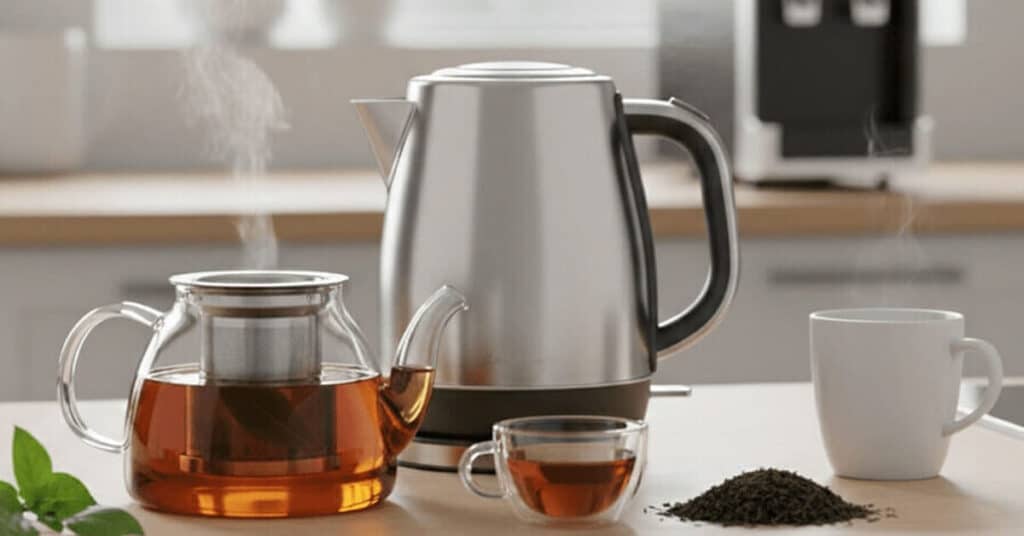
While your morning tea or coffee is a ritual for relaxation, recent scientific research suggests that the vessel you use to boil your water could be flavoring your drink with something unexpected: billions of plastic particles. New research from the University of Queensland (UQ), recently highlighted by 7News Australia, has sounded the alarm on the volume of micro- and nanoplastics released by standard polypropylene kettles — the most common type found in homes worldwide.
The shocking scale of the plastic pour
The study, led by Dr. Elvis Okoffo and published in npj Emerging Contaminants, reveals that plastic kettles are far more active in shedding particles than previously understood:
- The 3 billion particle cup: A single 250 ml cup of tea made using a brand-new plastic kettle can contain nearly 3 billion nanoplastic particles.
- Persistent leaching: Even after the “newness” wears off, the problem does not stop. After 150 uses, researchers still detected over 200 million particles per cup.
- The hard water shield: Interestingly, the research found that hard tap water can actually reduce plastic release. The minerals in hard water form a protective scale coating inside the kettle, creating a physical barrier between the plastic and the boiling water — a small silver lining in an otherwise concerning picture.
Beyond the kettle: a kitchen full of synthetics
Kettles are just one piece of the puzzle. Daily plastic exposure often comes from several sources in the kitchen, many of them involving heat — the primary catalyst for plastic particle release.
Plastic tea bags
A well-known McGill University study found that a single plastic-mesh tea bag can release 11.6 billion microplastics and 3.1 billion nanoplastics into a single cup at brewing temperature. Many premium tea brands use these mesh bags without clearly labelling them as plastic.
Containers and to-go cups
Scratched or aged food containers and disposable coffee cups shed significantly more particles when exposed to high heat. The very act of pouring boiling water into a plastic cup, or microwaving leftovers in a plastic container, dramatically increases particle release.
What we know about health impacts
Scientists are still investigating the long-term effects of chronic nanoplastic ingestion. What is already established is that these particles have been found in human blood, lung tissue, and even placentas. Current research focuses on their potential to cause inflammation and to act as endocrine disruptors — interfering with hormonal signaling in ways that may not manifest as obvious symptoms for years or decades.
Expert tips for a “nano-smart” kitchen
You do not have to give up your morning ritual — but it is worth rethinking your hardware.
- The break-in period: If you must use a new plastic kettle, run it through at least 10 full boil-and-discard cycles before drinking from it. This significantly reduces the initial burst of particle release.
- Upgrade your materials: Switch to a stainless steel or glass kettle — and make sure the interior is entirely plastic-free, including the lid and filter basket.
- Go loose-leaf: Avoid plastic mesh tea bags. Use loose-leaf tea with a stainless steel or ceramic infuser instead.
- Never microwave in plastic: Even containers labelled “microwave safe” shed particles when heated. Transfer food to glass or ceramic before heating.
The water-first approach: rethinking the source
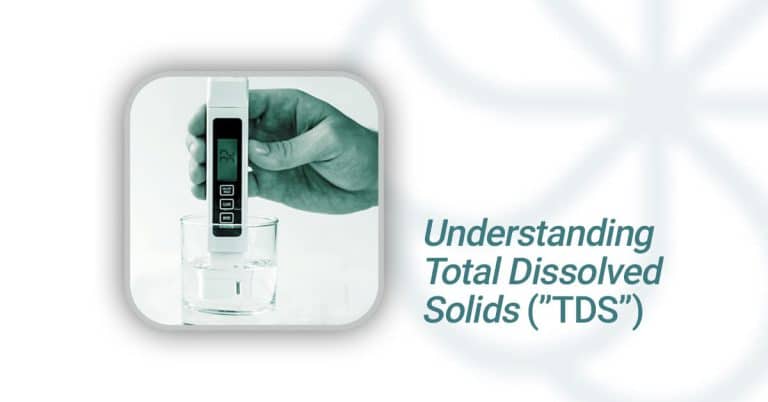
Reducing plastic exposure in the kitchen starts upstream — with the water itself. AquaFromAir’s Atmospheric Water Generators take a fundamentally different approach to hydration. Rather than boiling tap water in a vessel of any kind, our machines harvest moisture directly from the air, produce it to a purity level consistently under 40 ppm TDS, and store it in food-safe, plastic-free stainless steel internal tanks.
The result is water that has never touched plastic at any stage of its journey — from air to glass. Combined with the elimination of plastic bottles and plastic-lined delivery infrastructure, it represents a genuinely plastic-free hydration solution for homes and businesses.
References
- University of Queensland: Australians are drinking plastic particles in their tea
- 7News Australia: Plastic Kettles & Nanoplastics
- Research Paper: npj Emerging Contaminants: Release of nanoplastics from polypropylene kettles (Dr. Elvis Okoffo et al. Note: check specific journal link for final publication DOI).)