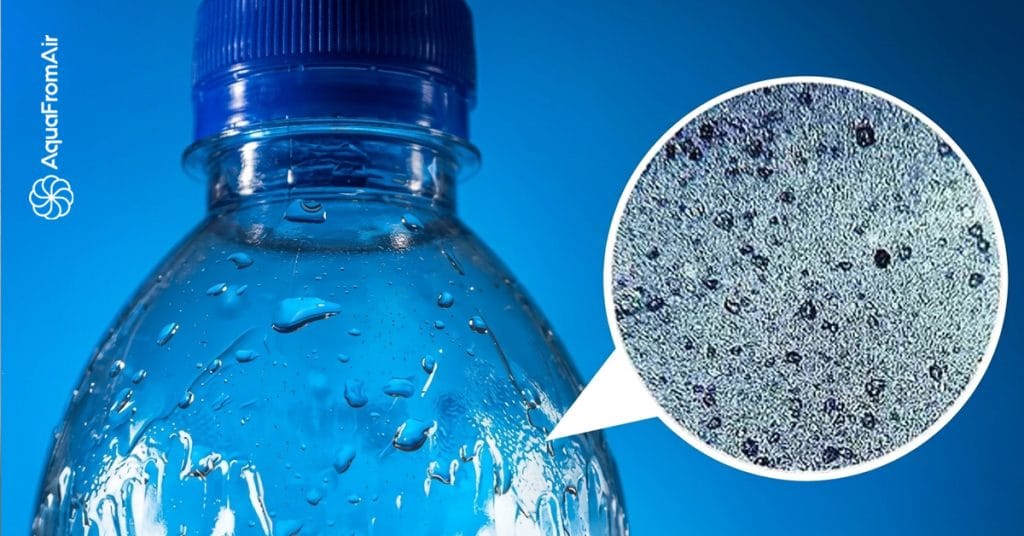
Concern about microplastics in drinking water has moved quickly from specialist environmental research to mainstream public awareness. The reason is straightforward: The evidence has accumulated rapidly, and it keeps moving in one direction. Microplastics are not a future risk. They are a present, measurable, and increasingly well-documented reality in the water most people drink every day including water that has been marketed as clean.
What are microplastics and nanoplastics?
Microplastics are plastic particles smaller than 5 millimetres. Nanoplastics are the smaller subset, particles under 1 micrometre, often invisible to the naked eye and capable of crossing biological membranes that larger particles cannot penetrate. They enter water systems through multiple routes: Breakdown of plastic waste in rivers and oceans, synthetic fibres released during laundry, degradation of plastic pipes and storage vessels, and critically; from plastic packaging itself. The bottle containing the water is a source of contamination for the water inside it.
What the research shows
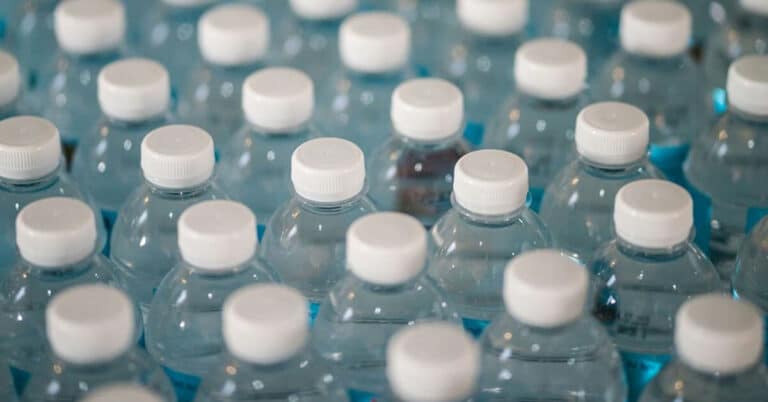
- Bottled water contains significant microplastic concentrations. An Orb Media study (State University of New York, 2018) tested 259 bottles from 11 brands across 9 countries. 93% contained microplastic particles. The average was 325 particles per litre, with some samples exceeding 10,000.
- Tap water is not significantly better. Studies across Europe, North America, and Asia have found microplastics in municipal tap water in the majority of samples tested, at concentrations ranging from tens to hundreds of particles per litre.
- Microplastics have been detected in human blood. A 2022 study in Environment International found microplastic particles in 80% of human blood samples tested, including PET, the material used in water bottles. This confirmed that microplastics are not simply passing through the body, they are being absorbed.
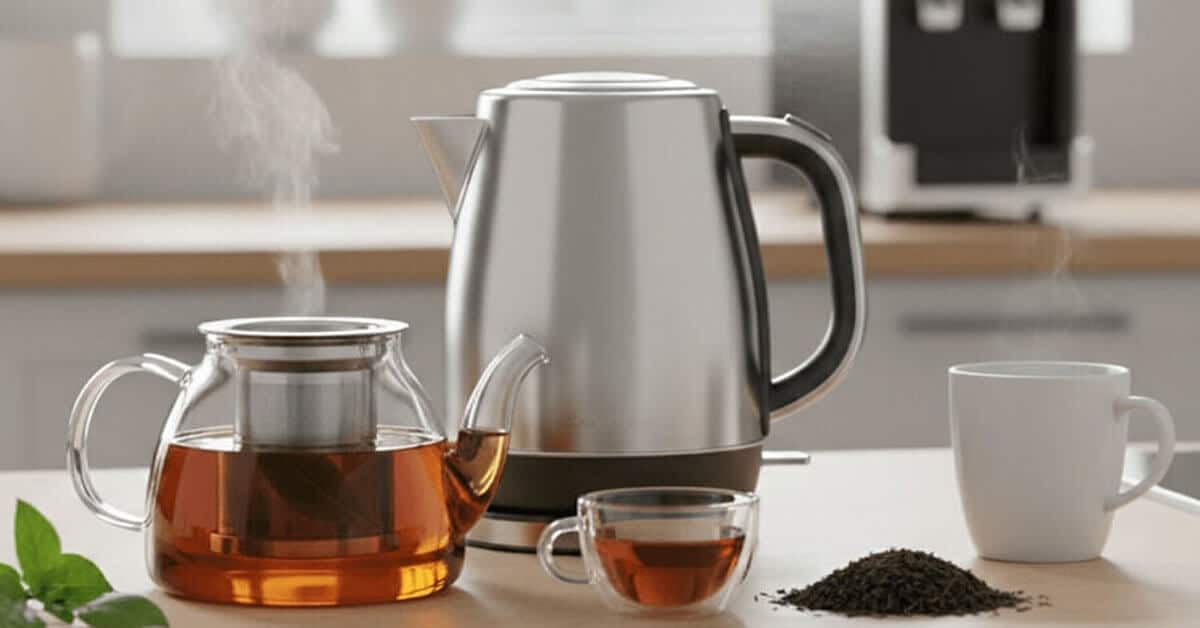
- Nanoplastics in everyday beverages. Research from the University of Queensland found that a single cup of tea made using a new plastic kettle can contain approximately 3 billion nanoplastic particles.
- Health effects are under active investigation. Existing findings associate microplastic exposure with oxidative stress, inflammatory responses, and potential hormonal disruption. The WHO has called for accelerated research while acknowledging the scale of global human exposure.
Why bottled water makes the problem worse
The instinctive response to contaminated tap water is to switch to bottled water. In terms of microplastic exposure, this is largely counterproductive. Bottled water is packaged and stored in plastic. In tropical climates like Bali, bottles commonly sit in heat, shipping containers, outdoor storage, direct sun, for days or weeks before sale. Heat accelerates the leaching of plastic particles into the water inside.
The Orb Media research found bottled water contained, on average, twice the microplastic concentration of tap water. The product positioned as the clean alternative is, by this specific measure, a worse source of exposure.
Can filtration remove microplastics?
Some filtration can, partially. Reverse osmosis membranes with sufficiently small pore sizes remove the majority of microplastics, though nanoplastics remain a challenge and membrane integrity is critical. Activated carbon block filters provide some reduction. Standard pitcher-style filters offer very little. All filtration-based approaches share the same fundamental constraint: the starting point is source water that can already exposed to microplastics. The goal is to reduce, not eliminate.
What AWG water means for microplastic exposure
Atmospheric water generators collect moisture from the atmosphere through condensation. Atmospheric vapour does not carry microplastic particles, plastics are not volatile compounds and do not enter water vapour. The condensation process produces water that has never been in contact with plastic supply infrastructure, plastic containers, or a contaminated source. The multi-stage filtration that follows processes water that begins clean. This matters in a way that filtration-based systems cannot replicate: the contamination pathway does not exist, rather than being intercepted after the fact.
Practical steps to reduce exposure now
- Switch from plastic kettles to stainless steel or glass — the nanoplastic concentration from heated plastic contact is significant.
- Avoid storing water in plastic containers exposed to heat or direct sunlight.
- If filtering tap water, use a quality carbon block or reverse osmosis filter — not a basic pitcher filter.
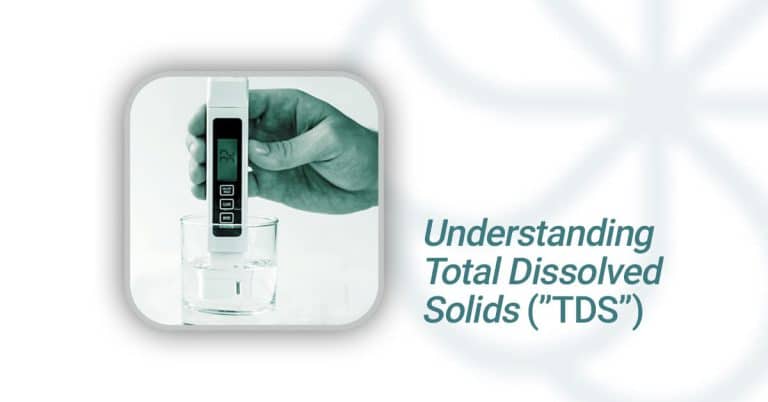
- Test your current water source with a TDS meter. A reading above 300–500 PPM warrants investigation.
- Avoid drinking from single-use plastic bottles that have been stored in warm conditions.
The people who reach out to AquaFromAir most often are not reacting to a crisis. They are making a considered decision, ahead of one.
The science on microplastics is still developing, but the direction of findings is consistent enough that waiting for complete certainty before acting is not a rational approach to personal water choices.