Most people have no idea what is in their drinking water. Not because they have not thought about it — but because the information is not visible. Water looks the same whether it is clean or not. One number changes that. TDS stands for Total Dissolved Solids. It is measurable, immediate, and more revealing than almost any other single indicator of water quality. Here is what it means and why it matters.
What is TDS?
TDS stands for total dissolved solids: a measure of the combined concentration of all inorganic and organic substances dissolved in water. It is expressed in parts per million (PPM) or milligrams per litre (mg/L) — the two are numerically equivalent.
What counts as a dissolved solid? Minerals (calcium, magnesium, sodium, potassium), heavy metals (lead, arsenic, mercury), salts, chloride compounds, sulphates, nitrates, and organic matter that has made it through — or around — whatever treatment the water has received.
TDS does not distinguish between beneficial dissolved content (trace minerals) and harmful content (contaminants). It measures both together. That is why context matters — but it also makes TDS a fast, accessible first indicator of whether a water source deserves scrutiny.
What do the numbers mean?
| TDS range (PPM) | Assessment |
|---|---|
| 0–50 | Highly purified — distilled or AWG water |
| 50–150 | Excellent — very low mineral content, clean |
| 150–300 | Good — typical quality spring water range |
| 300–500 | Acceptable — WHO palatability guideline upper limit |
| 500–1,000 | Concerning — common in SE Asian municipal supply |
| 1,000+ | Poor — not recommended for regular consumption |
The WHO palatability guideline suggests water above 600 PPM begins to taste noticeably off. Above 1,000 PPM is generally considered both unpalatable and potentially unsafe for sustained daily use.
What does Bali’s tap water actually read?
Municipal tap water across Bali and much of Indonesia routinely tests at 500–1,000 PPM. In some districts, readings exceed that range. This is not unusual for tropical developing regions where infrastructure has not kept pace with population growth, agricultural intensification, and industrial activity. Even water that has been chlorinated — as most municipal supply is — carries disinfection byproducts that add to TDS readings while raising independent health concerns.
The practical result: virtually no informed resident of Bali drinks unfiltered tap water. The default has become bottled water — which solves some problems while creating others.
AquaFromAir units in Bali field conditions consistently produce water at approximately 10 PPM TDS — 50 to 100 times cleaner than typical municipal supply in the region.
Why zero TDS is not the goal
A common misconception: the lower the TDS, the better. This is not quite right. Completely demineralised water — TDS of zero — is distilled water. Drinking exclusively demineralised water long-term is not ideal: it lacks the trace minerals that contribute to daily intake. The goal is low and controlled TDS — where what is in the water is intentionally there, at appropriate concentrations.
This is what a quality AWG unit with a mineral stage delivers: the cleanliness of purified water with the taste and health profile of genuinely good drinking water.
How to test your own water
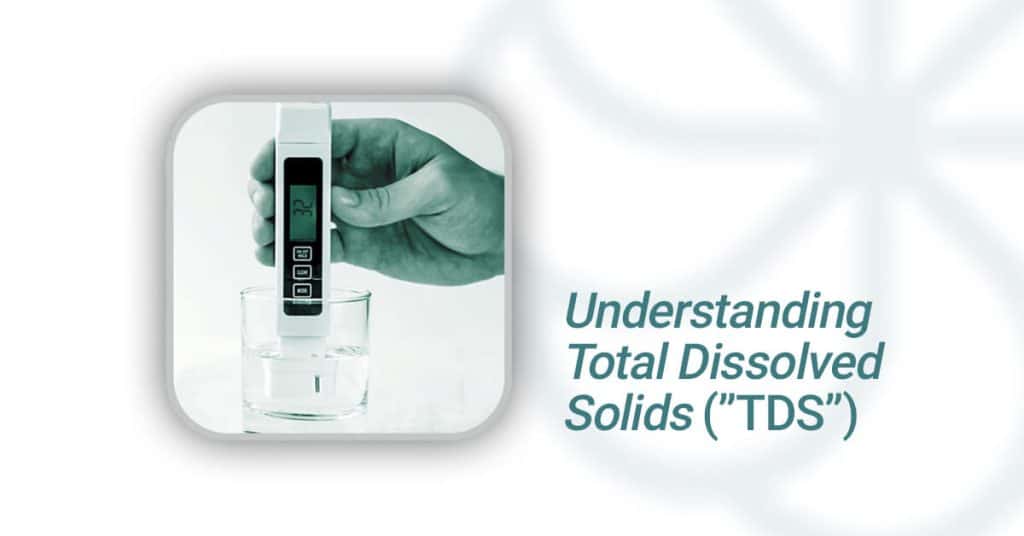
TDS meters are inexpensive — quality handheld units are widely available for under $20 USD and give an instant reading from any water source. Testing your tap water, home-filtered water, or a bottled brand takes seconds and often produces a genuinely surprising result.
- Fill a clean glass with the water you want to test.
- Dip the meter and wait 2–3 seconds for the reading to stabilise.
- A reading above 300–500 PPM warrants investigation into what is contributing to it.
- Compare your tap water, bottled water, and any filtered water side by side; the differences are often striking.
The bottom line
TDS is one number, and it does not tell you everything about water quality. But it is the fastest, most accessible indicator of whether a water source is worth trusting — and most people’s water fails the test without them knowing.
As a Certified Water Sommelier, TDS is the first thing tested when assessing any water source. The reading of approximately 10 PPM that AquaFromAir units consistently produce in Bali is not just technically impressive — it is immediately detectable in taste. Clean water does not just test better. It tastes better.