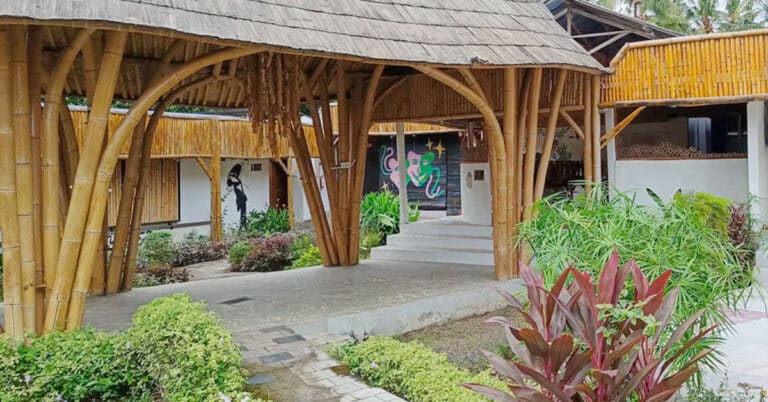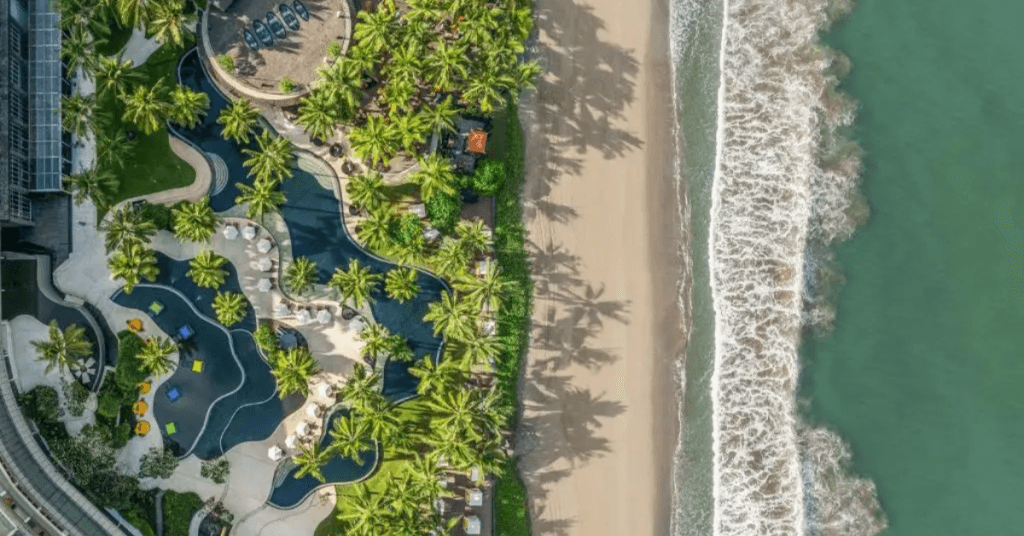
Bali has a plastic problem that sits in uncomfortable tension with its identity. The island built its international reputation on natural beauty, spiritual culture, and wellness tourism — yet for decades, the hospitality industry has relied on single-use plastic water bottles as the default solution to an undrinkable tap water supply. That is beginning to change. And the shift is being driven not by regulation, but by resorts and retreat operators making a deliberate choice.
The scale of the problem
A mid-size resort with 30 rooms and an on-site restaurant might consume 500–800 litres of bottled water per day across guest rooms, F&B operations, staff, and kitchen use. At Bali retail pricing, that is $125–200 USD per day — $45,000–73,000 USD per year — spent on water alone. Delivered in plastic. Stored in plastic. Disposed of in a waste management system that, across much of Bali, ends at an open dump or the ocean.
The environmental cost is visible. The financial cost is ongoing. And the quality control is variable in ways that create real reputational risk for properties that market themselves on wellness and sustainability.
Why resorts are switching to AWG
- Consistent quality — AWG water tests at approximately 10 PPM TDS regardless of what is happening in the local supply network. Bottled water quality varies between brands and storage conditions.
- No supply chain dependency — delivery delays, supplier changes, and price fluctuations stop being operational variables. The machine produces water from the air around it, every day.
- Elimination of plastic waste — for properties targeting sustainability certifications, removing single-use plastic water bottles is a visible, meaningful and auditable step.
- Guest experience — offering guests pure, locally-generated water described as “harvested from Bali’s air” is a genuinely differentiating hospitality detail that prompts conversation and signals thoughtful operations.
What a typical installation looks like
For a 30-room resort with F&B operations, a typical AquaFromAir installation involves one or two 500L units, or a single 1000L unit, positioned in a ventilated plant room or service area. Output connects to the property’s existing water distribution system, feeding kitchen, bar, and room service points. Glass bottle refill stations at key locations replace the plastic bottle model.
Water tests at approximately 10 PPM TDS at point of use — consistent quality that bottled supply cannot reliably guarantee.
For a property spending $50,000 USD per year on bottled water, the AWG capital cost is typically recovered within two years — after which that $50,000 becomes an annual saving.
Wellness retreats and spa operations
For retreat centres and spas where water is part of the treatment — drinking water served to guests, water used in therapies, water used in food preparation — the source and quality of that water is a direct expression of the property’s values.
AWG water at 10 PPM TDS, produced on-site from clean atmospheric moisture, is a substantively better product than anything coming out of a gallon refill station or a plastic bottle. It tests better. It tastes better. And it can be explained to guests in a way that reinforces the property’s sustainability positioning.
The certification angle
Several international sustainability frameworks for hospitality — including Green Globe and EarthCheck — include criteria related to plastic waste reduction and water management. Eliminating single-use plastic water bottles through on-site AWG generation addresses both simultaneously and in a way that is auditable and documentable.
Getting started
For resort and hospitality enquiries, the right starting point is a consumption assessment — understanding daily water volume requirements across all operational areas — followed by a site visit or detailed briefing to configure the appropriate system. The process from initial enquiry to operational system is typically 4–8 weeks depending on location and installation complexity.
Working with resort and hospitality operators across Bali and beyond has shown a consistent pattern: the properties that make the switch do not look back. The combination of cost reduction, plastic elimination, and quality consistency resolves three operational problems at once.